Where Do I Start Homeschooling?
Choose Your Philosophy
Your philosophy shapes everything. It answers the question, what is the purpose of education? Is it to check boxes, or to cultivate wisdom, character, and a love for learning? A strong philosophy will guide your decisions and give you confidence when methods and opinions compete for your attention.
Choose Your Methodology (homeschool style)
Your methodology is how your philosophy is lived out day to day. This is where you decide what your homeschool will look like in practice. Will you use living books, hands-on discovery, narration, nature study, or traditional textbooks, graded worksheets and tests? Your method should support your philosophy and nurture your peace and your child’s love for learning.
Choose the Subjects
Once your philosophy and method are in place, choosing subjects becomes simple. You are not trying to do everything. You are choosing what matters most and teaching it in a meaningful way.
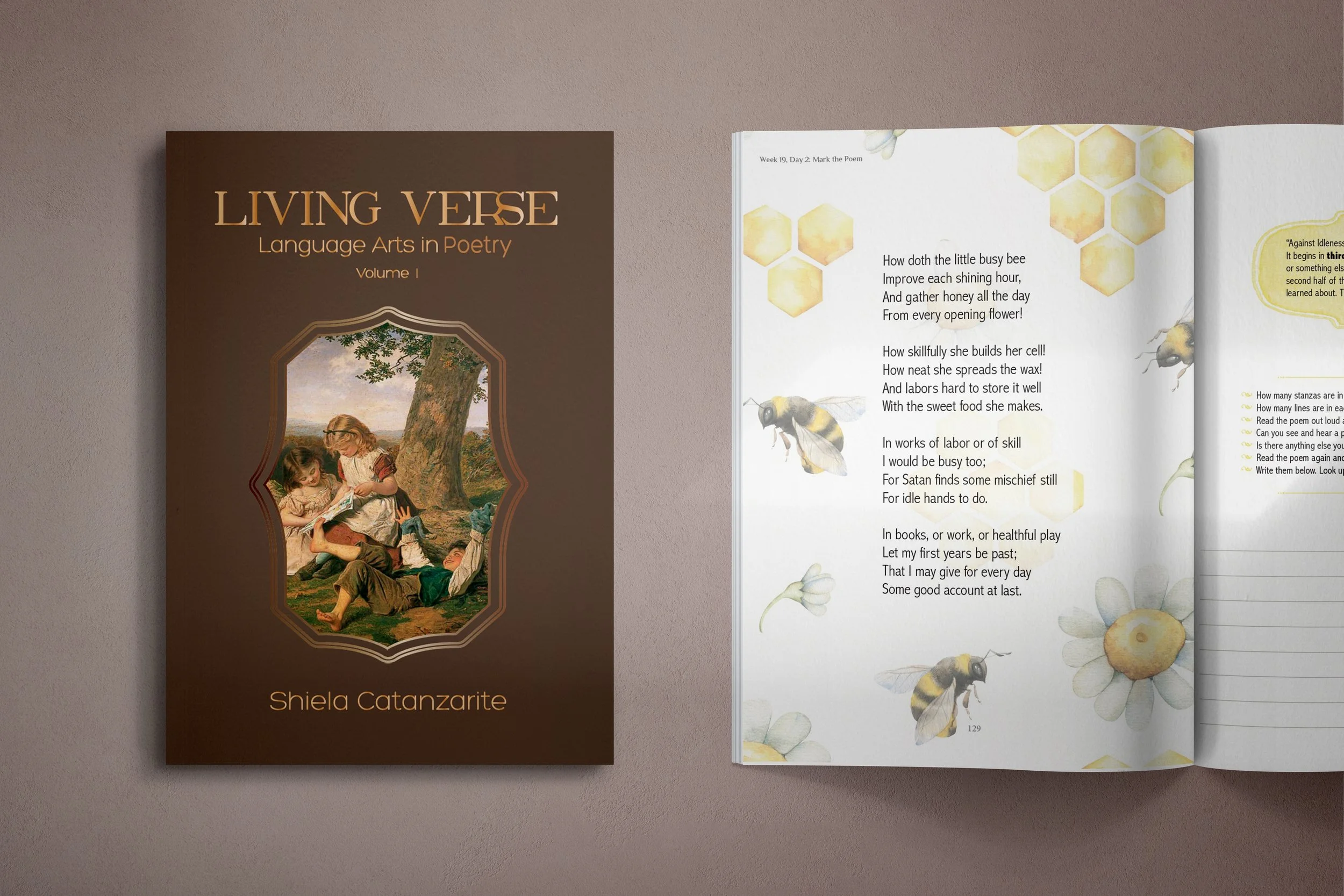
Begin with the basics, or the three R’s, so to speak. Reading, wRiting and Math (aRithmatic). We call reading and writing English language arts. The purpose for language arts is to equip students to read well and write well, not to conjugate verbs, diagram sentences, or identify parts of speech in isolation. Language arts includes reading literature and poetry, handwriting, composition, spelling, vocabulary, grammar (usage, punctuation, syntax), and literary devices. Ideally, you will use one program that develops strong writing while weaving in these elements naturally (such as Living Verse).
Teach to Read Program
Before you do any formal language arts program, your goal is to teach your child to read. If your child is not yet reading, that’s your primary academic goal, while read-alouds and play should be your child’s primary occupation.
Language Arts Elements
Literature is an integral element of language arts. Rich books shape taste, imagination, vocabulary, and moral understanding. (my literature lists)
Poetry is essential to the development of a child’s language. Through hearing, memorizing, and reciting poems, phonological awareness increases, vocabulary grows, oral language is enriched, and children naturally begin to use strong sentence patterns in their own speech and writing.
Copywork is an essential language arts tool that develops handwriting, composition, vocabulary, spelling, grammar, wisdom, attention, and clear thinking.
Vocabulary should be taught based on what is read in literature
Spelling can be taught separately, but should always be a focus of copywork
Handwriting is taught and reinforced through copywork
Writing (Composition) develops progressively (ideally through notebooking) as an extension of what your child is reading, not as a separate, unrelated, out-of-context subject
Grammar is naturally learned through reading well-written books and hearing proper grammar used in everyday speech. The purpose of teaching grammar is to develop progressively more complex writing. This is accomplished more naturally through reading quality literature than any other way. Grammar concepts should be taught in the context of what one is reading or studying is ideal.
Math - Math teaches children to think with order, precision, and logic. It gives them the skills needed for daily life and trains the mind to solve problems, recognize patterns, and understand the structure built into God’s world.
For K-8, beyond reading, writing, and math, you will want to find curricula to teach:
Bible - Children long to know God. It is an innate desire within all of us. Start each day by grounding your children in truth, turning their hearts to God, and building a solid foundation of faith.
Nature Study - Nature study is more than science. This is not a subject you will teach, but a lifestyle of time outdoors that cultivates curiosity and develops a child physically, spiritually, emotionally, and academically.
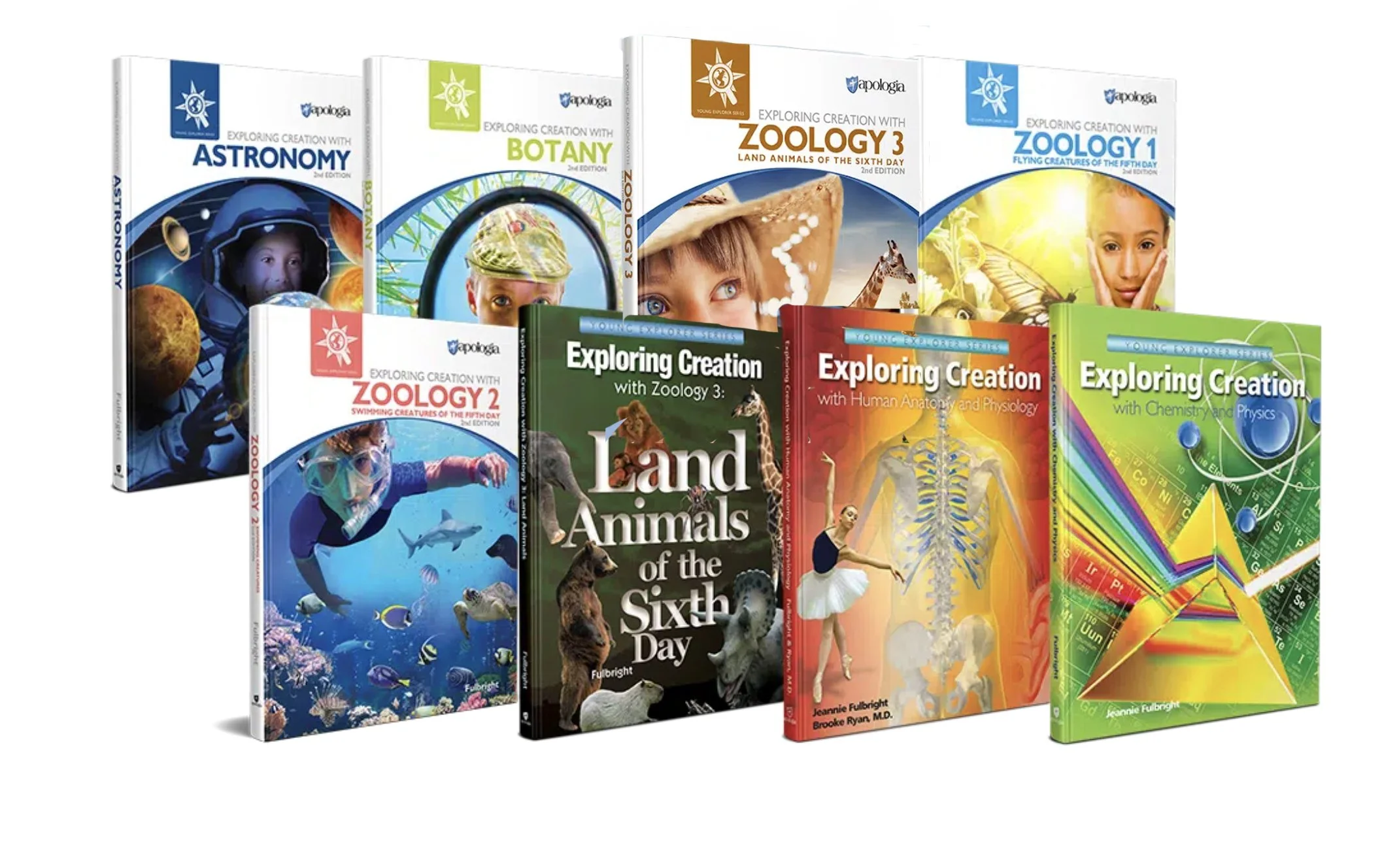
Science - Science brings the world around a child to life. As children begin to understand how and why things work, the natural world becomes more meaningful, ordered, and full of wonder. Science is best learned through engaging books written by authors who love their subject and inspire children to observe, ask questions, and delight in God’s creation.
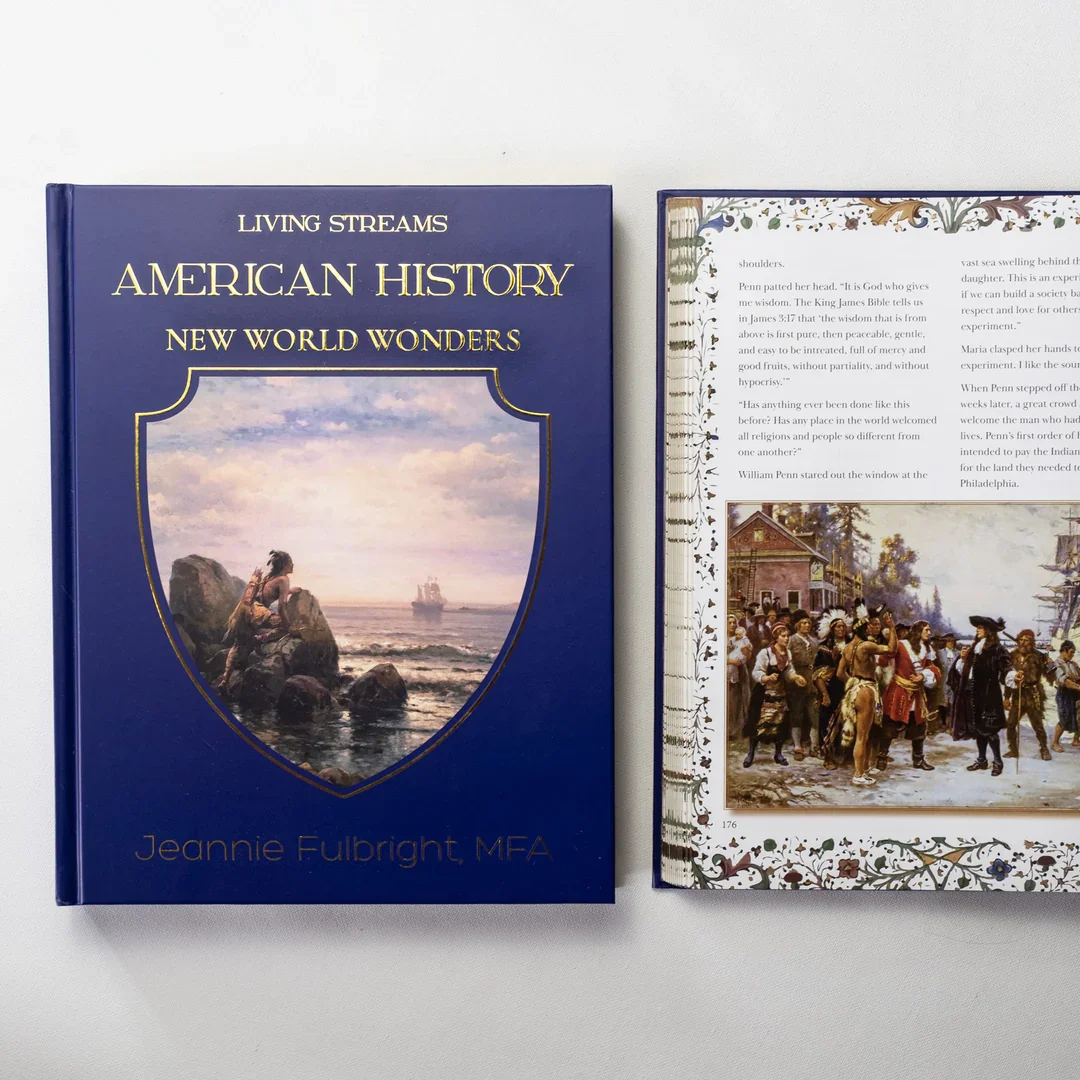
History - History teaches children wisdom and explains who people are and why. Children learn that actions have consequences and that power can be used for good or evil. History is best taught through stories that bring the past to life.
Geography - Children love learning about the earth and the people who live on it. It helps them see how land, climate, and location shape the lives of nations and cultures.
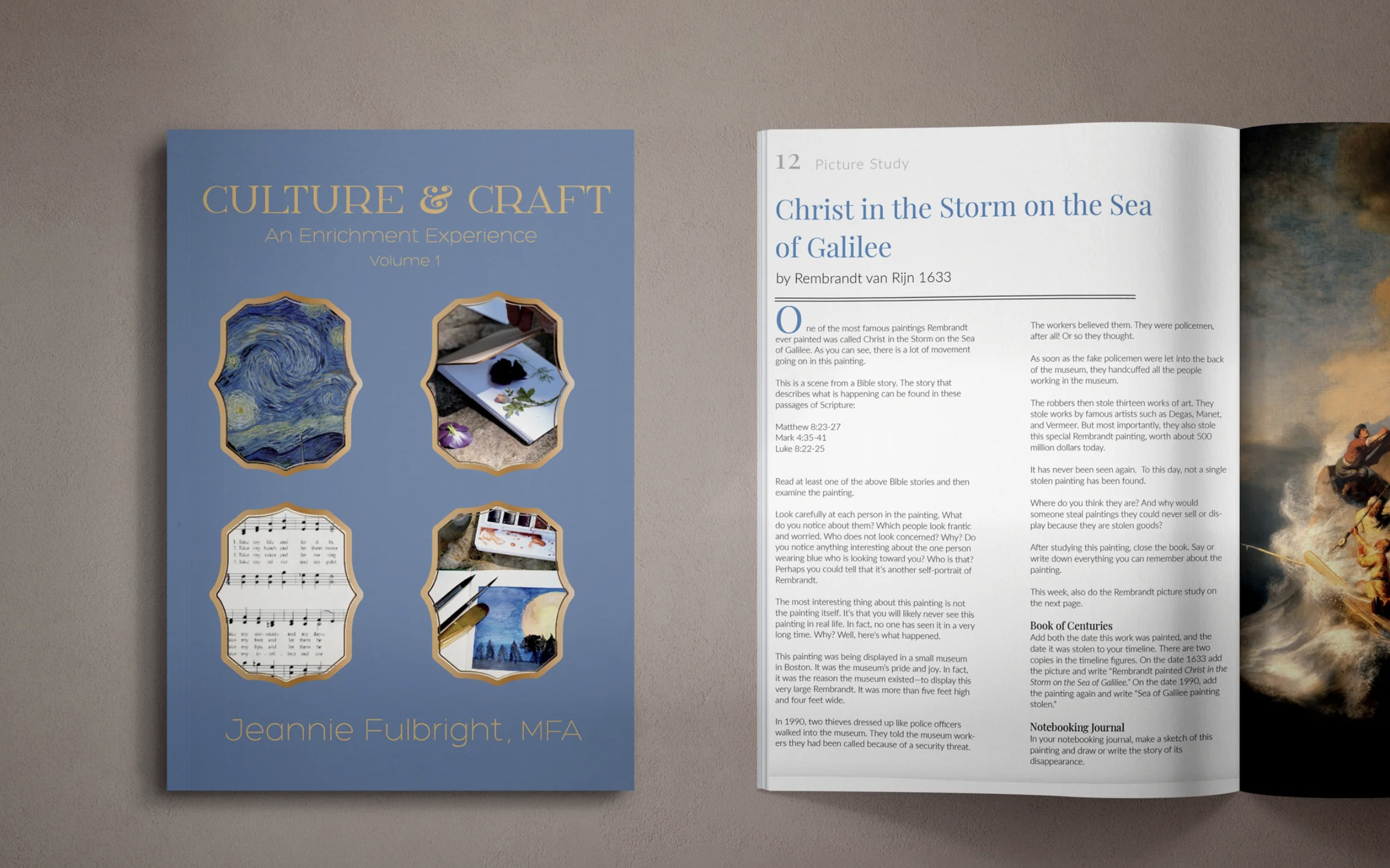
Art Education and Appreciation - Children are created in the image of God and are drawn to create. As they develop their skills through art projects and instruction, they gain both joy and confidence in making beautiful things. Regular exposure to great works of art cultivates their sense of beauty, enlarges their understanding, and inspires their own creativity for years to come.
Handicrafts and Skills - Children develop important character traits by learning patience, diligence, attentiveness, perseverance, and care in the work of their hands. They also grow in competence, confidence, and usefulness as they learn to create things that are beautiful, practical, and beneficial to others.
Music and Composers - Music helps form the heart and mind by cultivating attention, taste, memory, and delight in what is good and beautiful. Through hymns, folk songs, and the study of great composers, children learn to recognize beauty, treasure truth, and connect with the heritage of the Church and the cultures that have shaped our world. Music also strengthens listening skills, enriches memory, and gives children songs that will stay with them for life.
Foreign Language - Foreign Language enlarges understanding of people and cultures beyond one's own. It is best taught as a living language through songs, simple conversation, memory work, stories, and daily use, so the child learns it in a natural and meaningful way rather than through grammar drills.
“Think about your own education ~ How much did you remember about world history, American history, or science when you left high school?
Is that the education you want for your children?”